Archives
- 2026-05
- 2026-04
- 2026-03
- 2026-02
- 2026-01
- 2025-12
- 2025-11
- 2025-10
- 2025-09
- 2025-03
- 2025-02
- 2025-01
- 2024-12
- 2024-11
- 2024-10
- 2024-09
- 2024-08
- 2024-07
- 2024-06
- 2024-05
- 2024-04
- 2024-03
- 2024-02
- 2024-01
- 2023-12
- 2023-11
- 2023-10
- 2023-09
- 2023-08
- 2023-07
- 2023-06
- 2023-05
- 2023-04
- 2023-03
- 2023-02
- 2023-01
- 2022-12
- 2022-11
- 2022-10
- 2022-09
- 2022-08
- 2022-07
- 2022-06
- 2022-05
- 2022-04
- 2022-03
- 2022-02
- 2022-01
- 2021-12
- 2021-11
- 2021-10
- 2021-09
- 2021-08
- 2021-07
- 2021-06
- 2021-05
- 2021-04
- 2021-03
- 2021-02
- 2021-01
- 2020-12
- 2020-11
- 2020-10
- 2020-09
- 2020-08
- 2020-07
- 2020-06
- 2020-05
- 2020-04
- 2020-03
- 2020-02
- 2020-01
- 2019-12
- 2019-11
- 2019-10
- 2019-09
- 2019-08
- 2019-07
- 2019-06
- 2019-05
- 2019-04
- 2018-11
- 2018-10
- 2018-07
-
ATM is required for the proper function of the DNA
2024-07-30
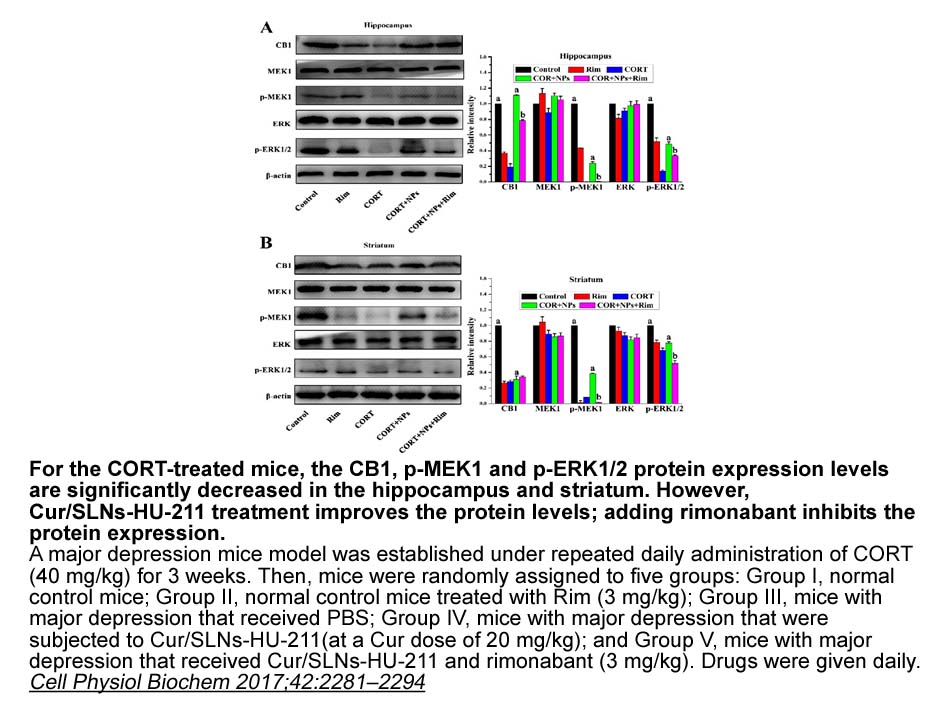
ATM is required for the proper function of the DNA-repair pathway in response to bleomycin-induced DNA damage in mammalian cells [55], [56]. Recent reports suggest that ATM activation by double-strand breaks leads to the subsequent ATR activation [57], [58], [59]. The recruitment of ATR to double-st
-
Once apoptosis has been initiated the HMGA proteins
2024-07-30
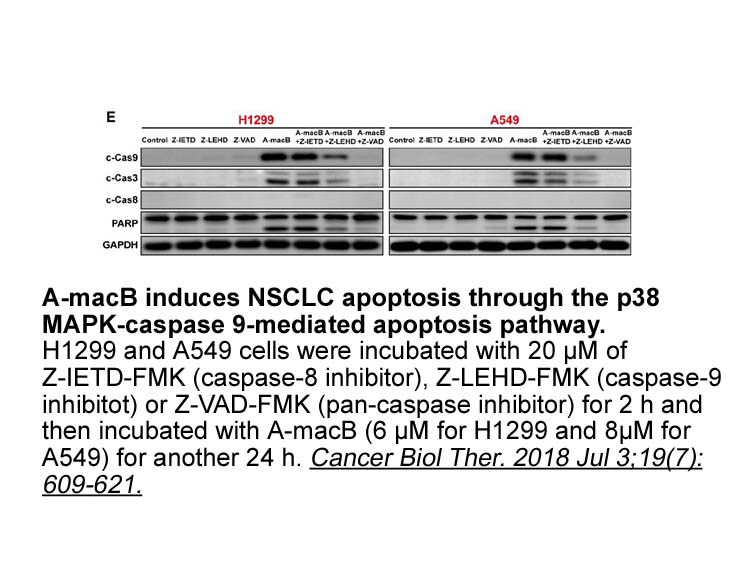
Once apoptosis has been initiated the HMGA proteins themselves undergo marked changes in both the types and extent of their post-translational modifications (PTMs; review in [149,175]), some of which are likely correlated with alterations in chromatin structure. For example, the early stages of apop
-
Use of antibiotics would be
2024-07-29
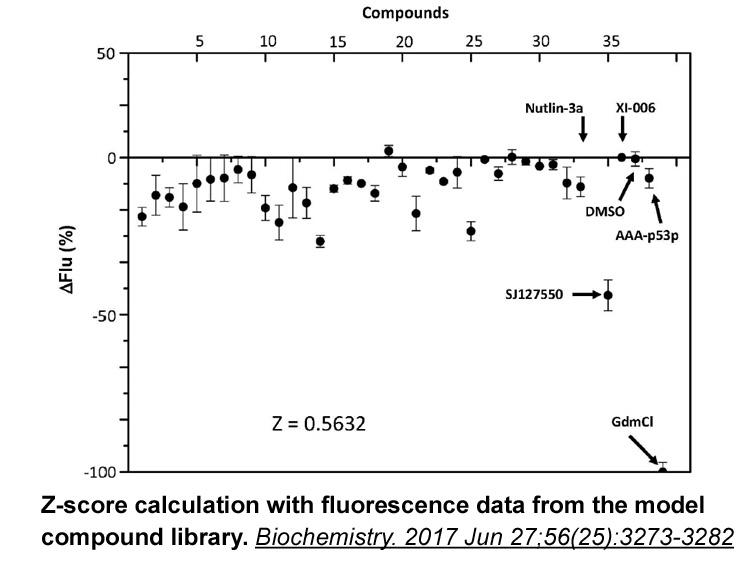
Use of protease activated receptor would be expected to alter the maternal microbiome, thereby changing the infant's initial exposure is to the microbial environment, which could potentially lead to an abnormal succession of microbial colonization in the infant. Alterations in early microbial trans
-
Finally microRNAs miRNA seem to play an
2024-07-29
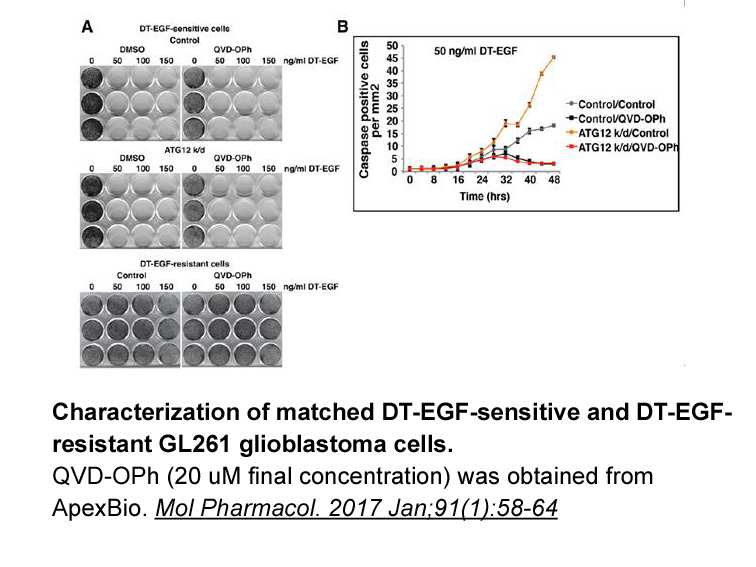
Finally, microRNAs (miRNA) seem to play an important role in AR signaling in BC. Some authors have described a differential mps1 of miRNAs in AR-positive BCs compared to AR-negative ones. VEGF and mTOR pathways were also reported as implicated in miRNA dysregulation, suggesting a common underlying
-
Cyprodime hydrochloride br The lipoxygenase pathway and micr
2024-07-29
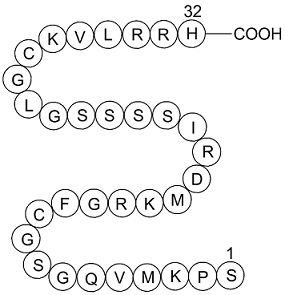
The 12/15-lipoxygenase pathway and microvascular complications of diabetes The 12/15-lipoxygenase pathway in adipose tissue Only recently has adipose tissue been recognized as a highly metabolically active endocrine organ imparting profound local and systemic inflammatory effects. Adipose tiss
-
br Conclus o br Conflitos de
2024-07-29
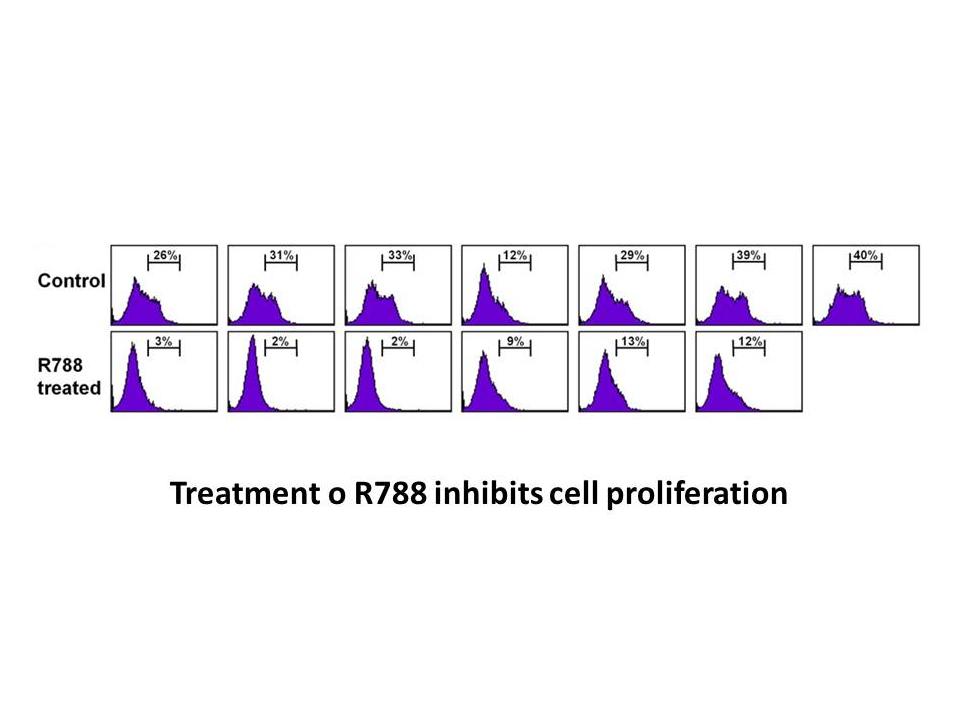
Conclusão Conflitos de interesses Alzheimer Disease: Common and Complex Alzheimer’s disease (AD) is a genetically complex, multifactorial disease that leads to neurodegenerative dementia. There is no cure for AD yet, and due to a high prevalence and continuously increasing incidence it pose
-
br Current therapies for metabolic diseases Inborn errors of
2024-07-29
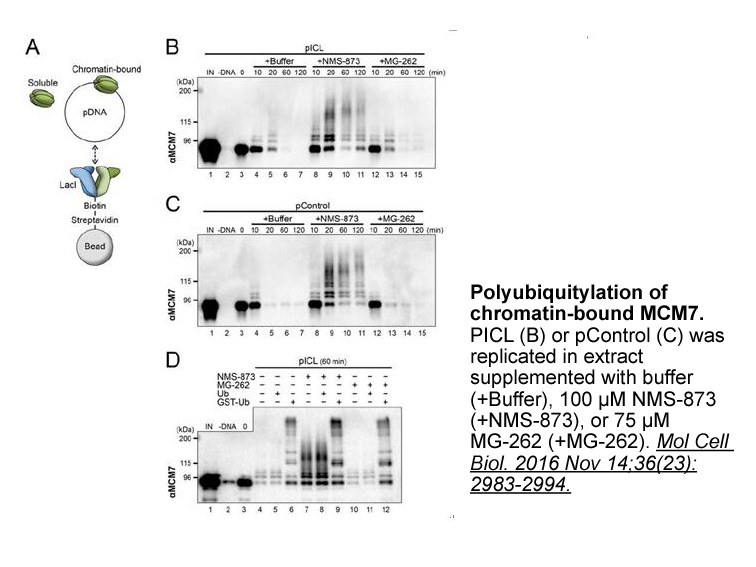
Current therapies for metabolic diseases Inborn errors of metabolism caused by deficiency of particular enzymes due to loss of function mutations or deletions have been treated by decreasing the intake of the enzymatic substrate, supplementation with an essential cofactor or vitamin, increasing m
-
Blocking the action of CREB with the C inhibitor together
2024-07-29
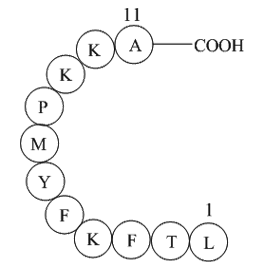
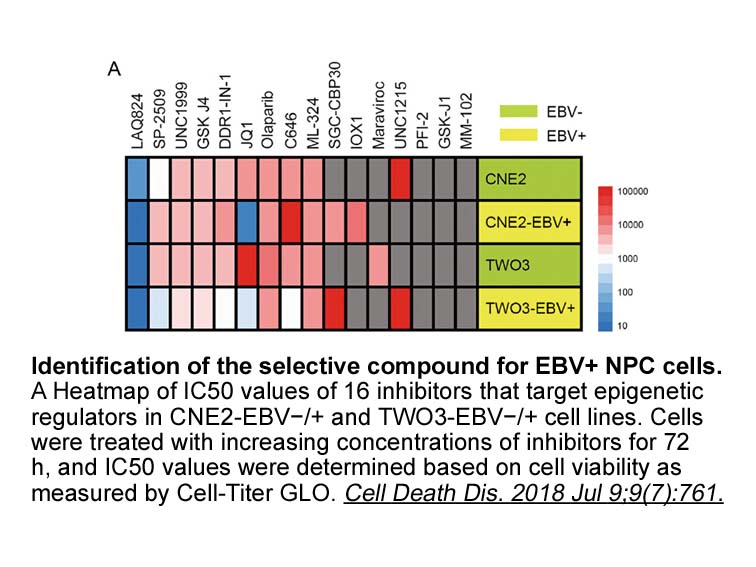
Blocking the action of CREB with the C646 inhibitor together with increasing Akt activation with the SC79 agonist is particularly interesting as it significantly reduced wound closure time from 7 days (which is required for complete closure of control hTECs exposed to DMSO) to only 4 days (when hTEC
-
sesamin mg br ACK signaling partners ACK interacts with and
2024-07-29
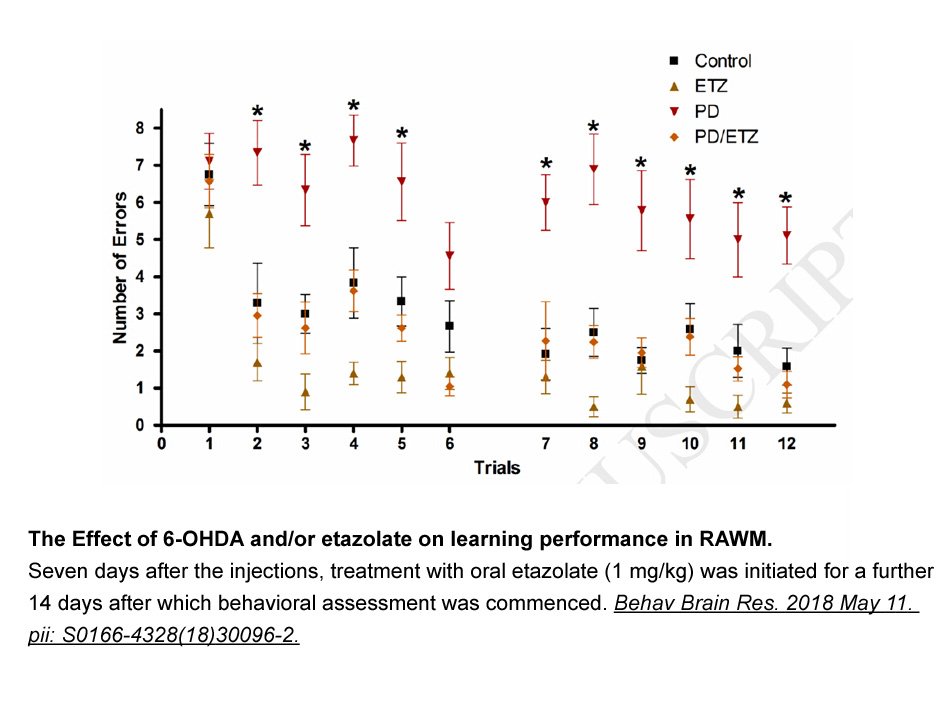
ACK1 signaling partners ACK1 interacts with and tyrosine phosphorylates many cellular proteins regulating critical cellular processes [11]. While ACK1 shares common intracellular effectors such as AKT with other signaling pathways, it imparts specificity to signaling by phosphorylating effectors
-
Toxicity is the main reason for the failure at all
2024-07-29
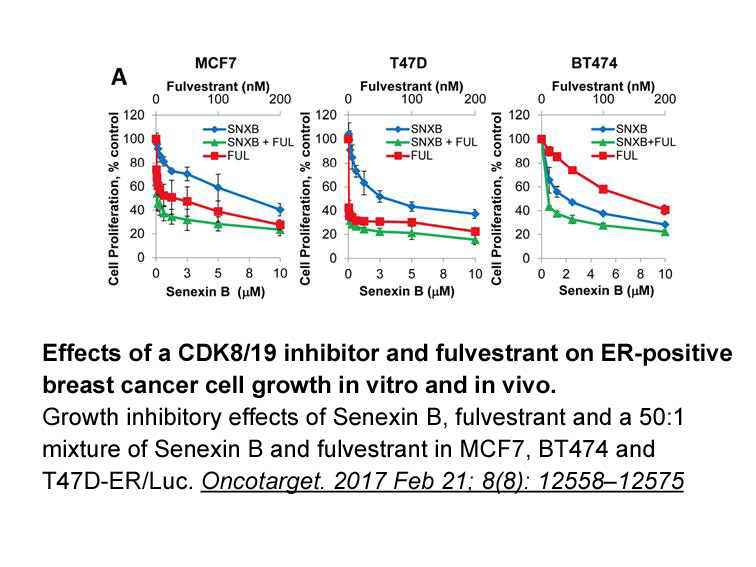
Toxicity is the main reason for the failure at all stages of the new drug development process. The major part of safety-related attrition occurs at preclinical phases while predicting preclinical safety liabilities earlier in the drug development process. This strategy enables the design and/or sele
-
br Funding br Introduction l Dihydroxyphenylalanine l DOPA
2024-07-29
Funding Introduction l-3,4-Dihydroxyphenylalanine (l-DOPA) is the gold-standard treatment for the motor symptoms of Parkinson's disease (PD); however, its chronic use induces severe motor complications that eventually limit its long-term efficacy (Bastide et al., 2015). The most disabling side
-
Taken together BRP represents a novel
2024-07-29
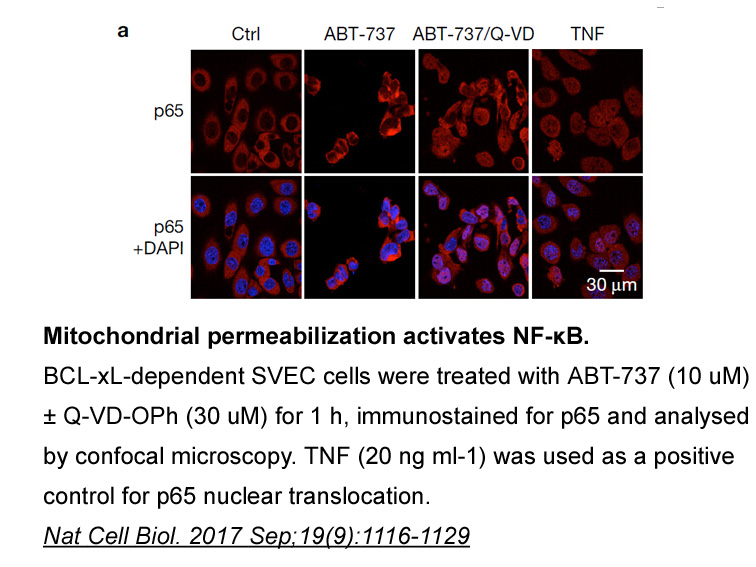
Taken together, BRP-187 represents a novel chemotype of LT biosynthesis inhibitors with outstanding potency in human PMNL and monocytes activated under pathophysiological relevant conditions and with effectiveness in vivo. Using the PLA that visualizes the in situ interaction between 5-LO and FLAP i
-
A role for YAP in mediating resistance to EGFR inhibition
2024-07-29
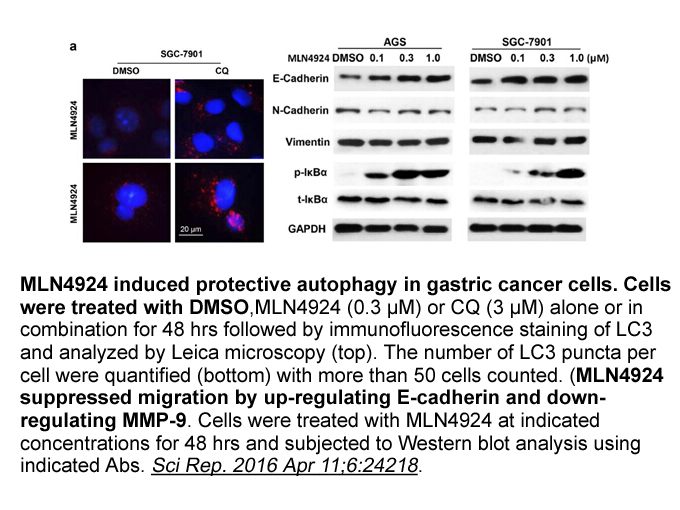
A role for YAP in mediating resistance to EGFR inhibition has also been described [28], [29]. In line with these evidences, we observed increased YAP activation in all the generated EGFR TKI–resistant cells, testified by decreased phosphorylation on the inhibitory serine 127, enhanced nuclear locali
-
br Material and methods br
2024-07-26
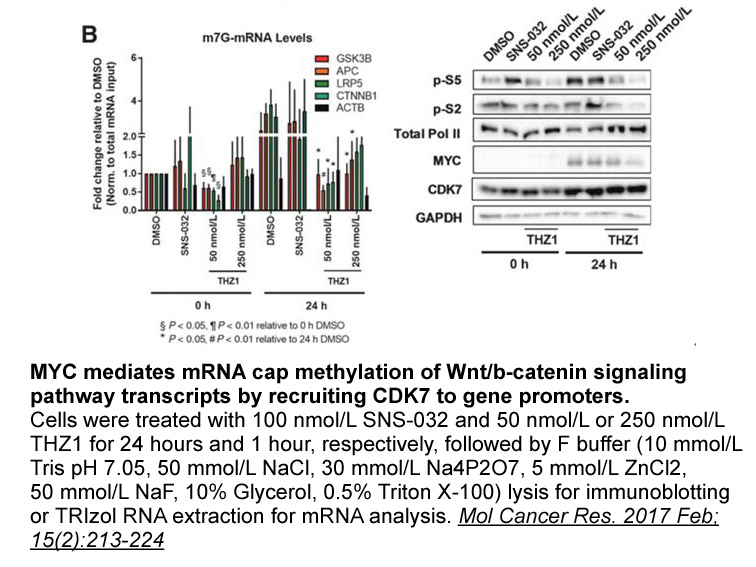
Material and methods Results Discussion This study explores the hypothesis that ASK1, via transcriptional upregulation by E2F1, molecularly defines AT that supports a dys-metabolic obese phenotype in humans. We demonstrate associations between increased visceral-AT ASK1 expression and multi
-
Expression subcellular localization transcriptional activity
2024-07-26
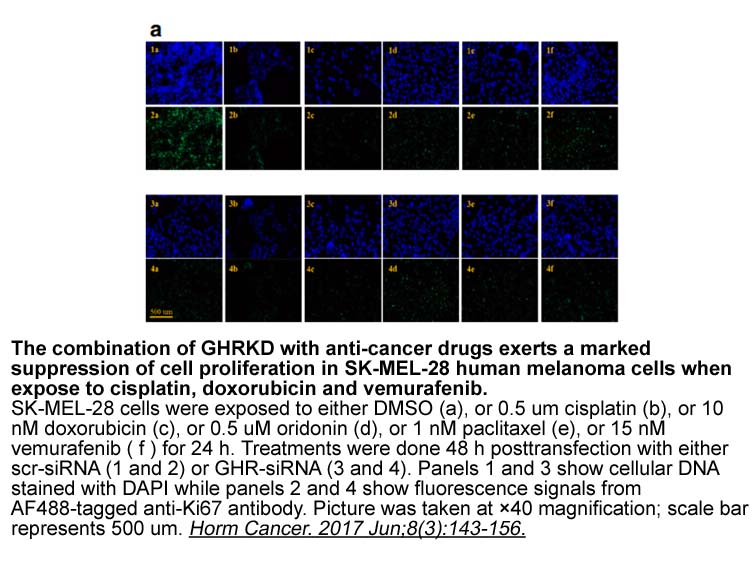
Expression, subcellular localization, transcriptional activity and protein stability of Foxo are regulated by proteins such as STAT3, PKB, JNK and AMPK (Sun et al., 2017; Zhang et al., 2011). STAT3 is a member of the signal transducer and activator of transcription (STAT) protein family that plays c
16680 records 128/1112 page Previous Next First page 上5页 126127128129130 下5页 Last page