Archives
- 2026-05
- 2026-04
- 2026-03
- 2026-02
- 2026-01
- 2025-12
- 2025-11
- 2025-10
- 2025-09
- 2025-03
- 2025-02
- 2025-01
- 2024-12
- 2024-11
- 2024-10
- 2024-09
- 2024-08
- 2024-07
- 2024-06
- 2024-05
- 2024-04
- 2024-03
- 2024-02
- 2024-01
- 2023-12
- 2023-11
- 2023-10
- 2023-09
- 2023-08
- 2023-07
- 2023-06
- 2023-05
- 2023-04
- 2023-03
- 2023-02
- 2023-01
- 2022-12
- 2022-11
- 2022-10
- 2022-09
- 2022-08
- 2022-07
- 2022-06
- 2022-05
- 2022-04
- 2022-03
- 2022-02
- 2022-01
- 2021-12
- 2021-11
- 2021-10
- 2021-09
- 2021-08
- 2021-07
- 2021-06
- 2021-05
- 2021-04
- 2021-03
- 2021-02
- 2021-01
- 2020-12
- 2020-11
- 2020-10
- 2020-09
- 2020-08
- 2020-07
- 2020-06
- 2020-05
- 2020-04
- 2020-03
- 2020-02
- 2020-01
- 2019-12
- 2019-11
- 2019-10
- 2019-09
- 2019-08
- 2019-07
- 2019-06
- 2019-05
- 2019-04
- 2018-11
- 2018-10
- 2018-07
-
Whilst it has long been appreciated that Rho family GTPases
2021-09-06

Whilst it has long been appreciated that Rho-family GTPases are able to signal directly to focal adhesions, it is also becoming increasingly clear that they can achieve this indirectly, through their influence on the extracellular matrix to which the integrins bind. Cdc42 and RhoA have long been kno
-
Introduction Non alcoholic hepatic steatosis is characterize
2021-09-06
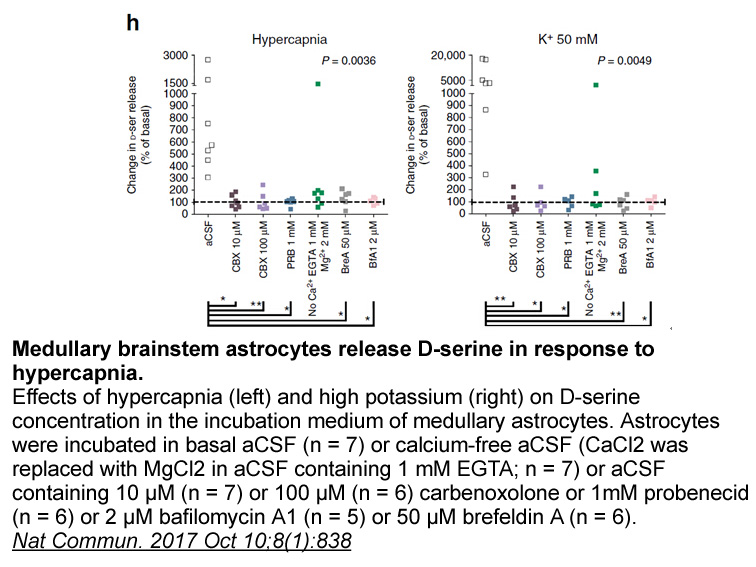
Introduction Non-alcoholic hepatic steatosis is characterized by the presence of steatosis in hepatocytes [1], which leads to the development of fatty liver [2]. It is strongly associated with obesity, insulin resistance, and type II diabetes [3]. They are major risk factors of non-alcoholic hepati
-
The compounds described in this paper
2021-09-06
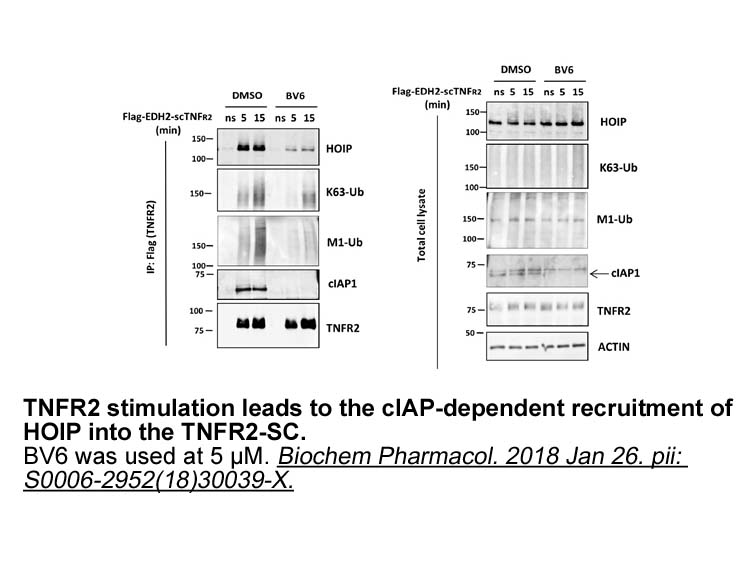
The compounds described in this paper were prepared using a modular approach that allowed diversification of R or R at the final step (). Route A involved amide coupling of -butyl 4-(methylamino)piperidine-1-carboxylate with phenyl acetic acids (step a) using 4-(4,6-dimethoxy-1,3,5-triazin-2-yl)-4-m
-
As preclinical toxicity and efficacy
2021-09-06
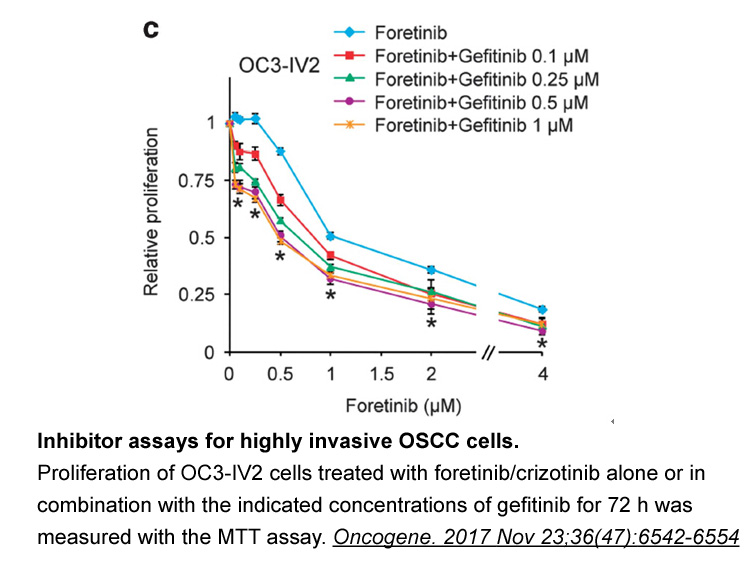
As preclinical toxicity and efficacy both appear to be associated with GlyT1 inhibition, it remains to be determined whether on-target toxicity can be separated from efficacy. The present study evaluated a series of GlyT1 inhibitors for target potency, mode of inhibition, residence time, activity in
-
br Results br Discussion Using a novel viral vector for
2021-09-03
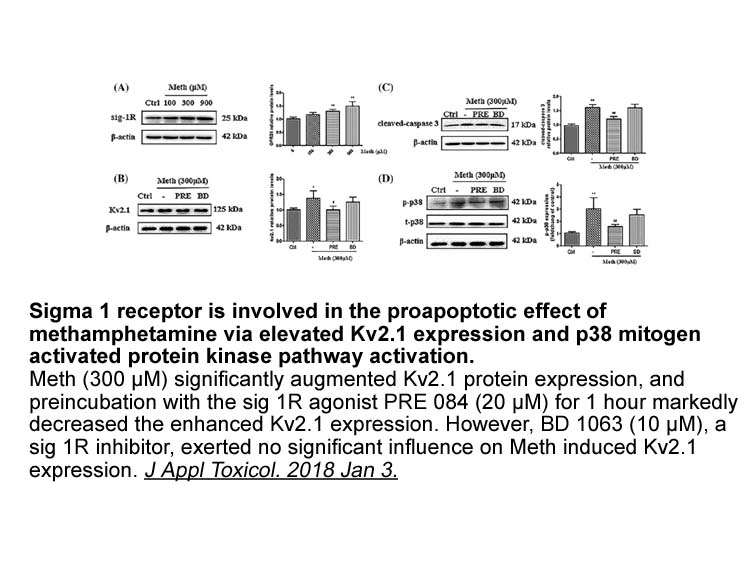
Results Discussion Using a novel viral vector for norepinephrine-targeted gene deletion, we have shown that glucocorticoid receptor Nemonapride from locus coeruleus norepinephrine neurons reduces social interaction specifically in female mice. This effect is not attributable to changes in nov
-
Multiple mechanisms have been suggested by
2021-09-03
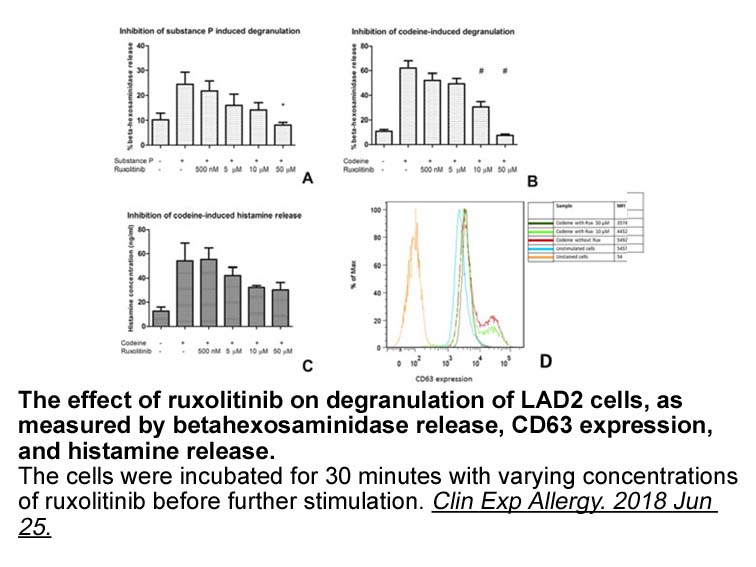
Multiple mechanisms have been suggested by which glucagon can increase energy expenditure although none have been conclusively proven to be responsible. Both enhanced gluconeogenesis and enhanced protein turnover secondary to hyperglucagonaemia have been suggested as the reason for the increased met
-
Sickle erythrocytes are known to have an increased
2021-09-03
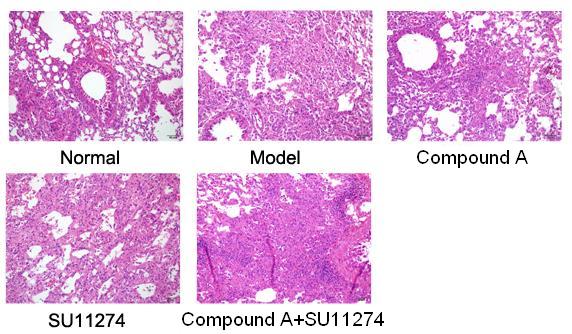
Sickle erythrocytes are known to have an increased adhesion to endothelial KPT-330 (Hebbel et al., 1980, Hebbel et al., 1981a, Hebbel et al., 1981b, Wautier et al., 1985, Mohandas and Evans, 1987). Understanding the events associated with vaso-occlusion requires a detailed knowledge of the interact
-
Compared to a large database of NSCLC samples
2021-09-03

Compared to a large database of NSCLC samples matched for disease type, many of the frequently altered genes were similar to those seen in this series of FGFR fusion-positive samples; however, there were notable exceptions. As expected, alterations in known NSCLC drivers (KRAS and EGFR) were signifi
-
h2 receptor antagonist To enhance the impact of GD
2021-09-03
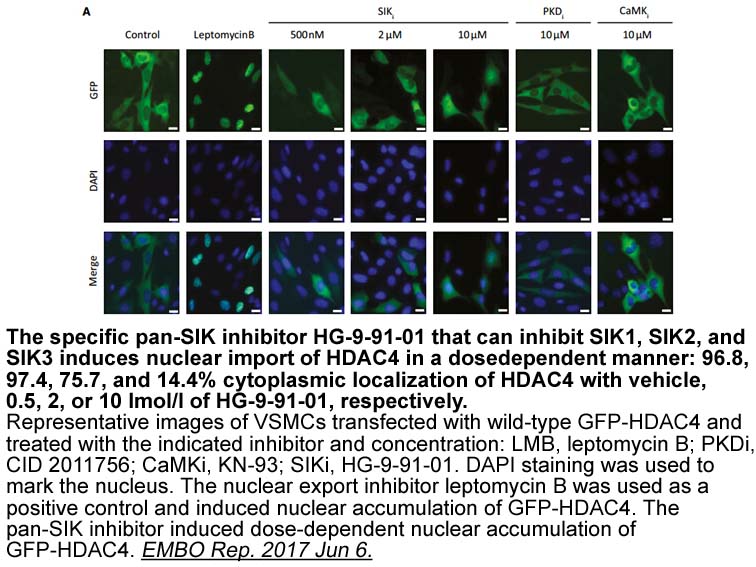
To enhance the impact of GD2 as an immune target in this cancer, we investigated a novel strategy to upregulate expression on the cell surface of EwS cells by an epigenetic agent, based on the following rationale. Biosynthesis of GD2 and other gangliosides during organ development is driven by stage
-
br Introduction Stroke is the second cause of death
2021-09-03
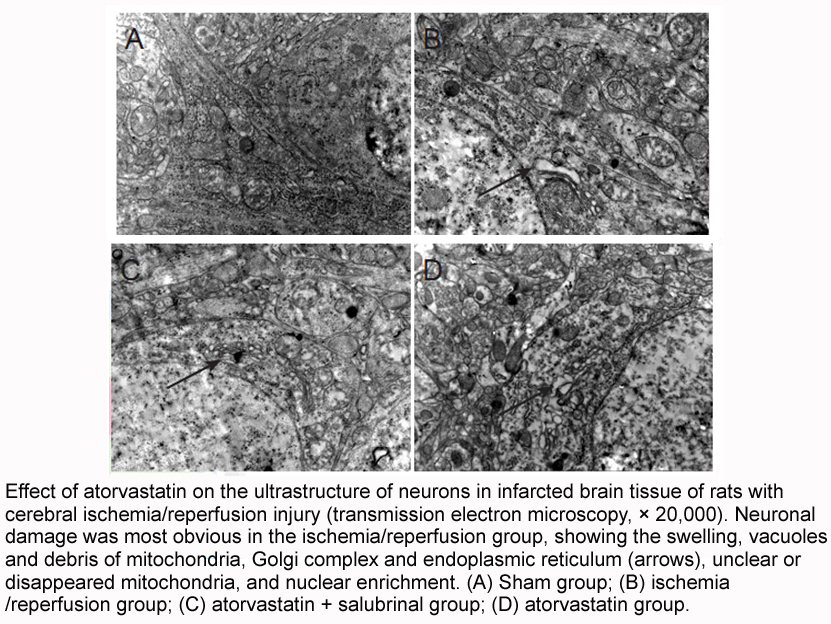
Introduction Stroke is the second cause of death worldwide and the first cause of acquired motor disability in adults [1], [2]. In sub-Saharan Africa, stroke is the first cause of admission in neurology departments [3]. In Cameroon, the in-hospital mortality of stroke is estimated at 26.8% [4]. A
-
The only approved H R
2021-09-03

The only approved H3R antagonist/inverse agonist is BF2.649 (1- 3-[3-(4-chlorophenyl)propoxy]propyl piperidine), developed by Bioprojet and known as pitolisant (Wakix®). It was approved by the European Medicines Agency in March 2016 and marketed in the European Union to be used in narcolepsy with or
-
br Obesity tips to a
2021-09-03
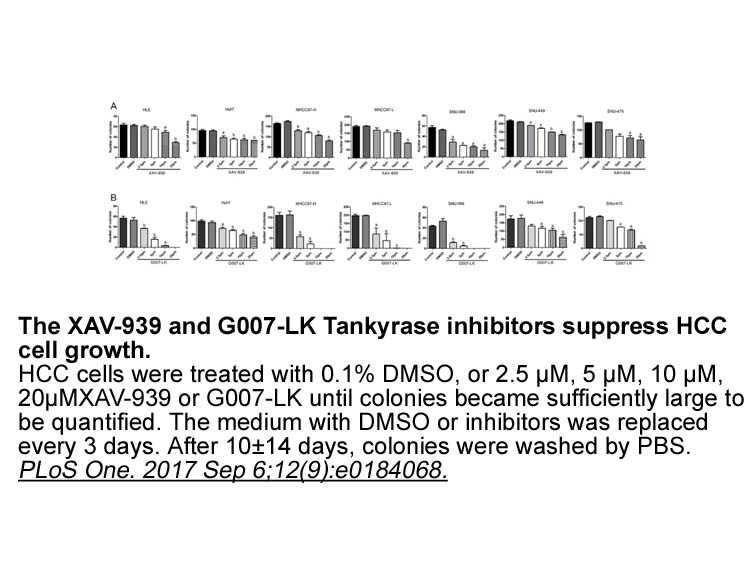
Obesity tips to a systematic failure in the overall metabolic regulation; it is a major global health problem and is linked to several metabolic diseases such as (T2D) (see ), (NAFLD), and cardiovascular disorders. The prevalence of such metabolic disorders has increased dramatically worldwide ,
-
br Discussion Using HBV transgenic mice Kim et al first
2021-09-03
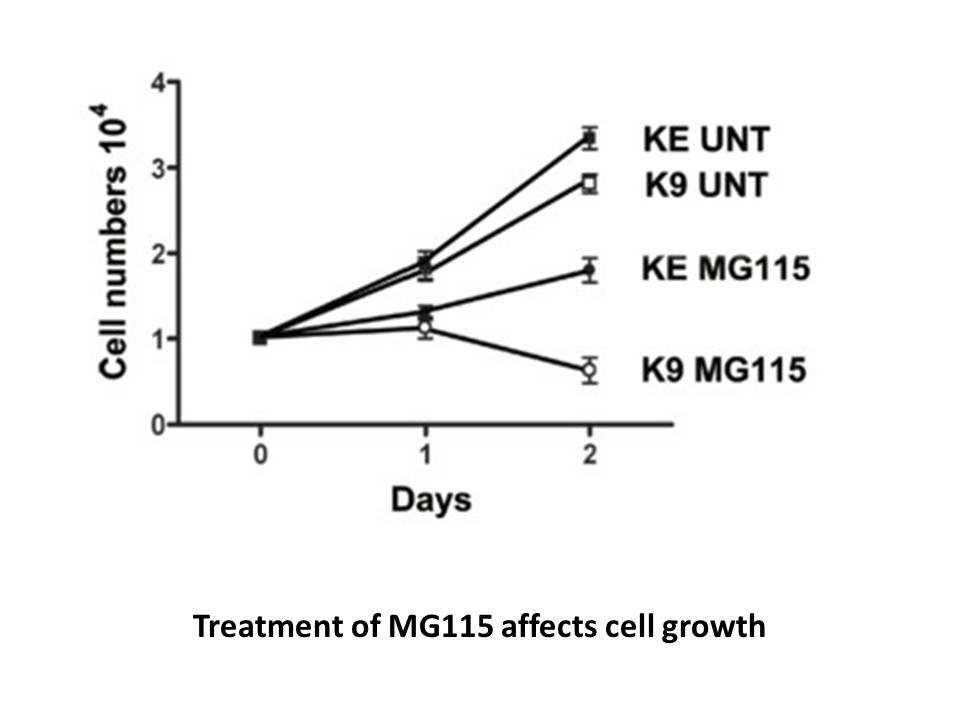
Discussion Using HBV transgenic mice, Kim, et al. first reported that the HBx gene caused HCC [34]. Since then, transgenic mice have become a useful experimental model for defining the molecular events of HBV hepatitis, and HBV-related hepatocarcinogenesis. In the present study, we first confirme
-
LBH589 receptor In order to determine whether NF B
2021-09-03
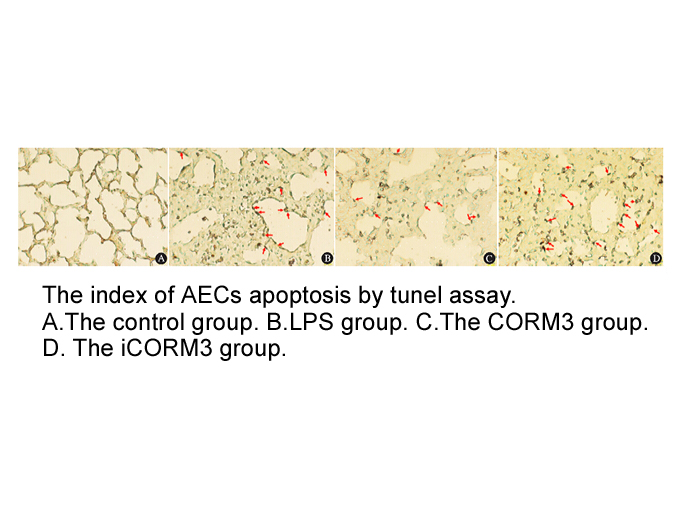
In order to determine whether NF-κB could interact with GSTP1-1 promoter, we performed EMSA. One NF-κB like (−98κB) binding site was previously described in the GSTP1-1 promoter as a regulator element. However, few data about this site have been published and its role in the GSTP1-1 gene regulation
-
Mice lacking S nitrosoglutathione reductase GSNOR a denitros
2021-09-03
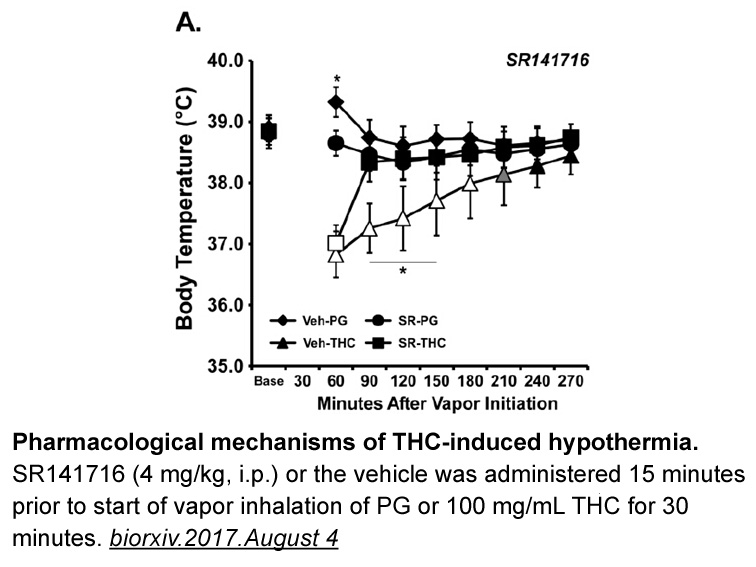
Mice lacking S-nitrosoglutathione reductase (GSNOR), a denitrosylase that regulates S-nitrosylation, have increased levels of S-nitrosoglutathione (GSNO) and exhibit nitrosative stress. GSNO is in equilibrium with protein S-nitrosylation in cells, and GSNOR controls the cellular concentration of pro
16671 records 619/1112 page Previous Next First page 上5页 616617618619620 下5页 Last page