Archives
- 2026-10
- 2026-09
- 2026-08
- 2026-07
- 2026-06
- 2026-05
- 2026-04
- 2026-03
- 2026-02
- 2026-01
- 2025-12
- 2025-11
- 2025-10
- 2025-09
- 2025-03
- 2025-02
- 2025-01
- 2024-12
- 2024-11
- 2024-10
- 2024-09
- 2024-08
- 2024-07
- 2024-06
- 2024-05
- 2024-04
- 2024-03
- 2024-02
- 2024-01
- 2023-12
- 2023-11
- 2023-10
- 2023-09
- 2023-08
- 2023-07
- 2023-06
- 2023-05
- 2023-04
- 2023-03
- 2023-02
- 2023-01
- 2022-12
- 2022-11
- 2022-10
- 2022-09
- 2022-08
- 2022-07
- 2022-06
- 2022-05
- 2022-04
- 2022-03
- 2022-02
- 2022-01
Ultracentrifugation of AD brain was reported to
2024-08-26

Ultracentrifugation of AD AZD 3965 was reported to remove >99.95% of Aβ, while only reducing seeding capacity by 70% (Langer et al., 2011). This suggests that the most potent seeding Aβ species are relatively small soluble oligomers rather than larger insoluble fibrils. It was also noted that this
Further validation for a role in
2024-08-26
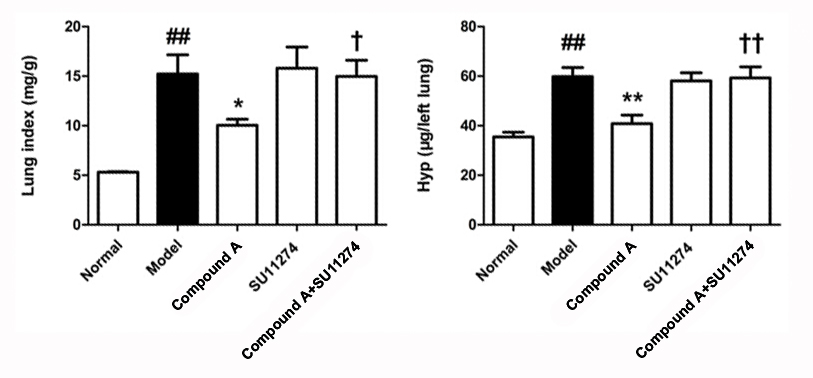
Further validation for a role in 12/15-LOX pathway in mediating adipocyte function comes from studies revealing a regulatory role of lipocalin-2 on 12/15-LOX activity. Lipocalin-2, a glycoprotein member of the lipocalin superfamily, is a novel abundant adipokine implicated in obesity-mediated inflam
br Pathophysiology of Alzheimer disease
2024-08-26
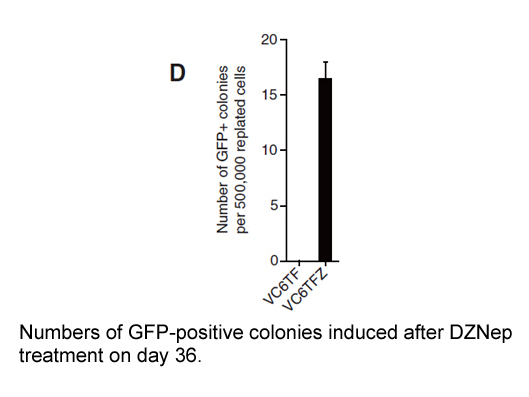
Pathophysiology of Alzheimer disease Alzheimer disease is characterized by severe neurodegeneration, neuroinflammation, and progressive loss of cognitive abilities. The diagnostic criteria for dementia released by the National Institute on Aging-Alzheimer's Association define dementia as the deve
Curcumin is able to upregulate the protein level
2024-08-26
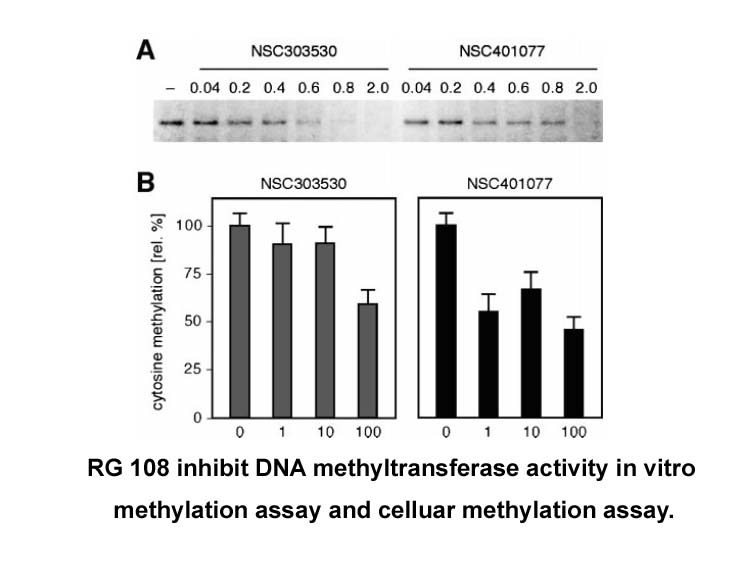
Curcumin is able to upregulate the protein level of NGF through cannabinoid receptor CB1, where the activation of Akt pathway probably plays an important part in the CB1-mediated signal transmission [9,10]. This finding suggested that the protection of curcumin in spinal motor neurons of SNI rats is
In young animals the HT A receptor antagonist ketanserin
2024-08-26
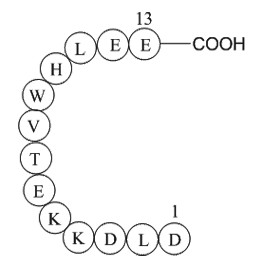
In young animals, the 5-HT2A Auranofin antagonist ketanserin, at relatively low concentrations, shifted 5-HT concentration-response curves rightward, suggesting a role for 5-HT2A receptors in mediating 5-HT-induced contractions of the ureter. The slopes of the ketanserin Schild plots for the antagon
br Clinical realities br Commentary on
2024-08-26
Clinical realities Commentary on uses of selective 17,20 lyase inhibitors If continued monitoring of these same parameters along with tracking of circulating ACTH in human trials confirms these new drugs are the long sought after 17,20 lyase inhibitors, then we may for the first time be able t
We demonstrate a role for
2024-08-26
We demonstrate a role for low oxygen to regulate ATX mRNA in hepatocyte-derived HuH7 Nitazoxanide synthesis and human liver slices, consistent with reports of increased ATX expression in a variety of tumours that are frequently hypoxic. Importantly, we show a positive association between elevated AT
Furthermore low affinity sites that share no structural homo
2024-08-23
Furthermore, low-affinity sites that share no structural homology with the aforementioned sites have been described in the transmembrane domain. It has been discovered that, in α1βγ2 receptors, potentiation of GABA-activated currents by high concentrations of diazepam is biphasic, with a high- and a
Autophagy is a self protecting cellular catabolic pathway th
2024-08-23
Autophagy is a self-protecting cellular catabolic pathway that degrades and recycles cytoplasmic contents for the maintenance of cellular homeostasis (Shao et al., 2016b). Macrophage autophagy plays an essential role in atherosclerosis by safeguarding UK-5099 sale against oxidative stress, reducing
The mechanism governing how mechanotransduction signals regu
2024-08-23
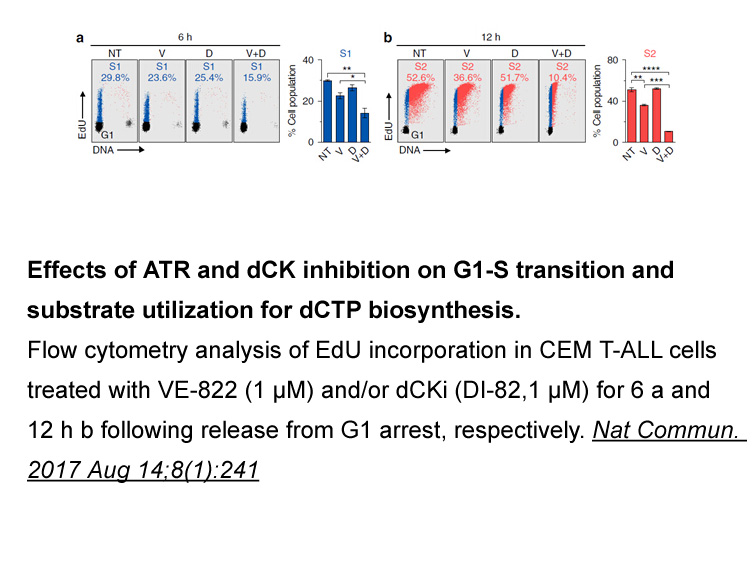
The mechanism governing how mechanotransduction signals regulate a number of genes involved in cartilage hemostasis remains unclarified. Mitogen-activated protein kinase (MAPK) pathways are activated by static and dynamic compression of cartilage (31 32). c-Fos/AP-1 is downstream of the MAPK pathway
There are increasing repeated reports of amphotericin B resi
2024-08-23
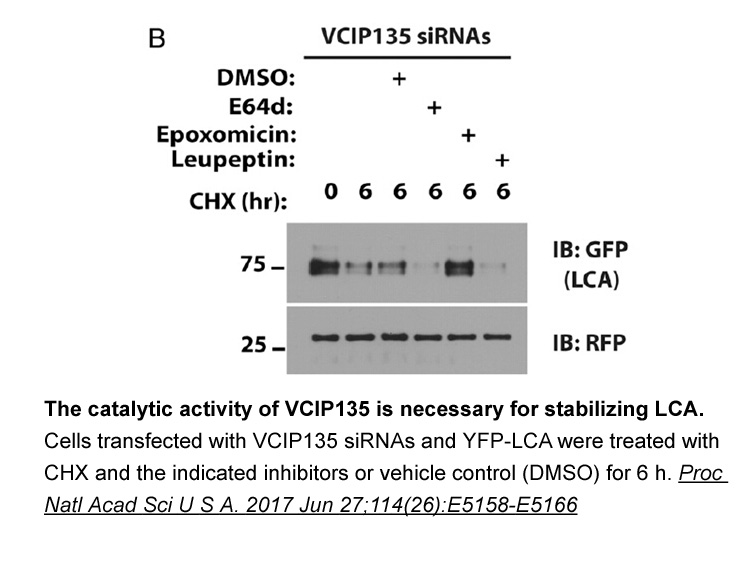
There are increasing repeated reports of amphotericin B-resistance in pathogenic fungi including Candida spp. [35], [36]. Nolte et al. characterized some fluconazole and amphotericin B-resistant Candida albicans isolates from leukemia patients [37]. Fan-Havard et al. (1991) have shown multi-antifung
Introduction Alzheimer s disease AD is a
2024-08-23
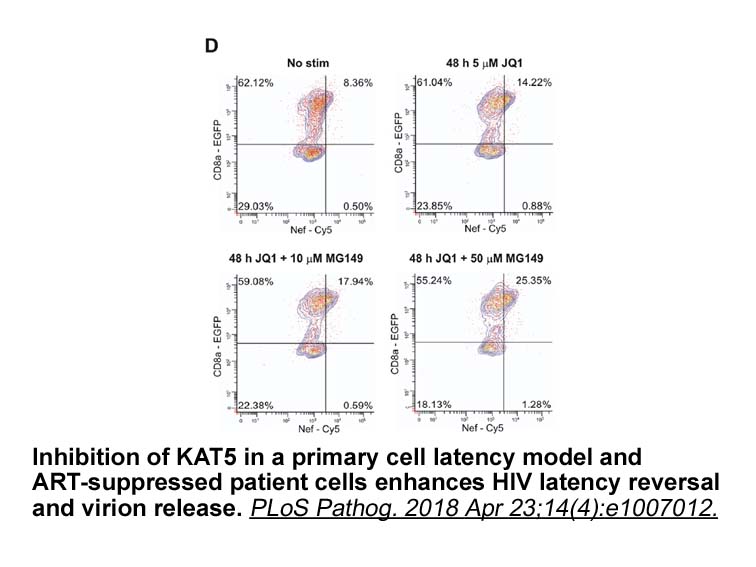
Introduction Alzheimer's disease (AD) is a complex neurological disorder characterized by a progressive dementia resulting from synapse failure (Selkoe, 2002, Tanzi, 2005). The amyloid hypothesis maintains that the pivotal event in AD is the production of amyloid-β (Aβ) peptides following the prote
Recent work has detailed the impact
2024-08-23

Recent work has detailed the impact of genetic methylphenidate hcl receptor of AMPK in the liver, revealing only minor phenotypes upon removal in mice (Boudaba et al., 2018). However, these studies very elegantly showed the potential for small molecule-mediated activation of AMPK to elicit large ch
RITA Further validation for a role in LOX pathway in mediati
2024-08-23
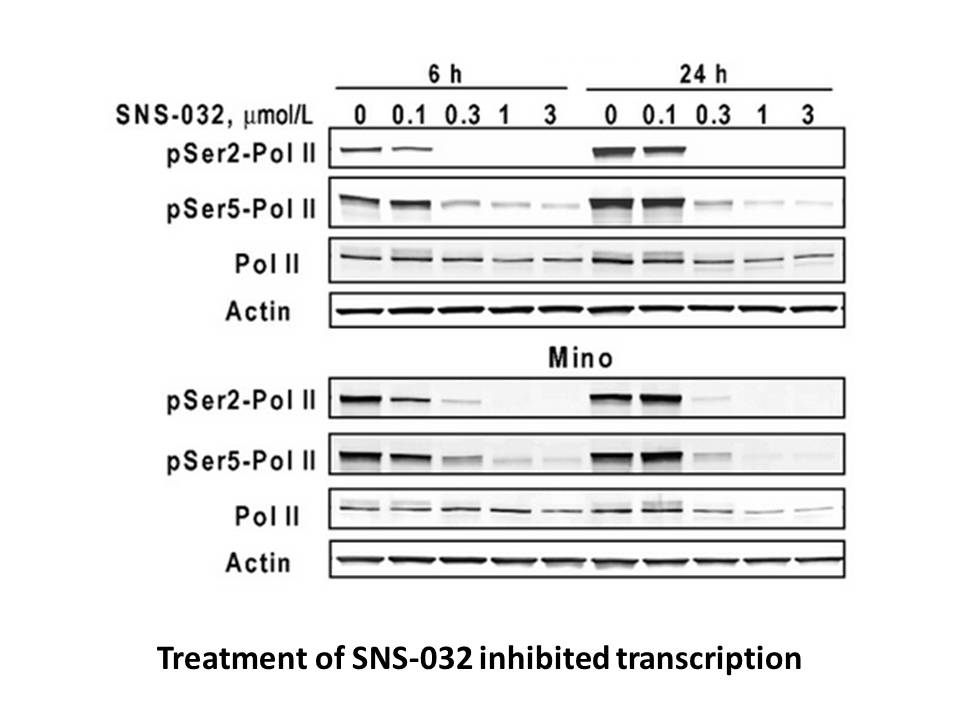
Further validation for a role in 12/15-LOX pathway in mediating adipocyte function comes from studies revealing a regulatory role of lipocalin-2 on 12/15-LOX activity. Lipocalin-2, a glycoprotein member of the lipocalin superfamily, is a novel abundant adipokine implicated in obesity-mediated inflam
Introduction Aldose reductase ALR is the first enzyme of the
2024-08-23
Introduction Aldose reductase (ALR2) is the first enzyme of the polyol pathway that catalyzes the reduction of glucose to sorbitol utilizing NADPH as a cofactor. The intracellular accumulation of sorbitol, due to increased aldose reductase activity at high blood glucose levels, such as those occurr
8501 records 131/567 page Previous Next First page 上5页 131132133134135 下5页 Last page