Archives
- 2026-10
- 2026-09
- 2026-08
- 2026-07
- 2026-06
- 2026-05
- 2026-04
- 2026-03
- 2026-02
- 2026-01
- 2025-12
- 2025-11
- 2025-10
- 2025-09
- 2025-03
- 2025-02
- 2025-01
- 2024-12
- 2024-11
- 2024-10
- 2024-09
- 2024-08
- 2024-07
- 2024-06
- 2024-05
- 2024-04
- 2024-03
- 2024-02
- 2024-01
- 2023-12
- 2023-11
- 2023-10
- 2023-09
- 2023-08
- 2023-07
- 2023-06
- 2023-05
- 2023-04
- 2023-03
- 2023-02
- 2023-01
- 2022-12
- 2022-11
- 2022-10
- 2022-09
- 2022-08
- 2022-07
- 2022-06
- 2022-05
- 2022-04
- 2022-03
- 2022-02
- 2022-01
Recently several groups including ours have started to use
2024-06-21
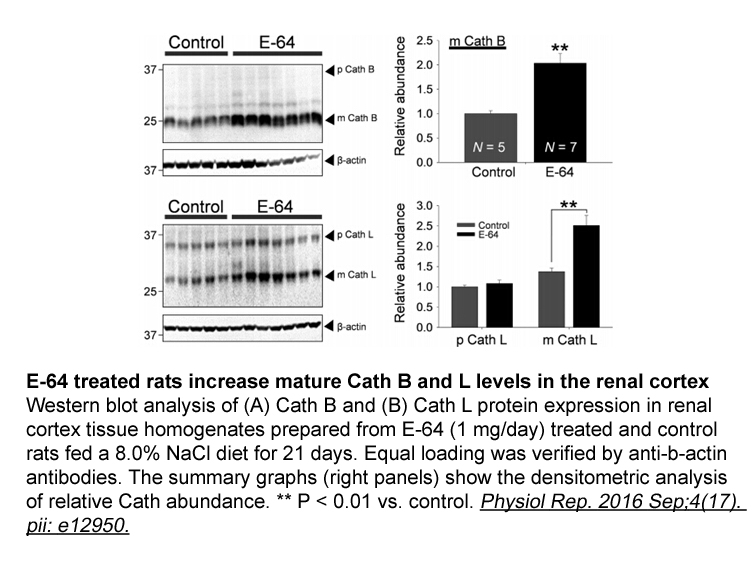
Recently, several groups, including ours, have started to use the C. elegans multi-dendritic PVD neurons as a model system to dissect the molecular mechanisms of dendrite development. During larval development, PVD elaborates complex and stereotyped dendritic arbors by sequentially adding primary (1
It is well accepted that PKA is a key enzyme
2024-06-21

It is well accepted that PKA is a key enzyme activated at the beginning of the capacitation process [69]. As mentioned above phosphorylation/inactivation of cofilin in sperm is a PKA dependent process [58]. We could not see any change in cofilin phosphorylation level by adding the PKA activator 8Br-
Consistent with the observation that mutations
2024-06-21
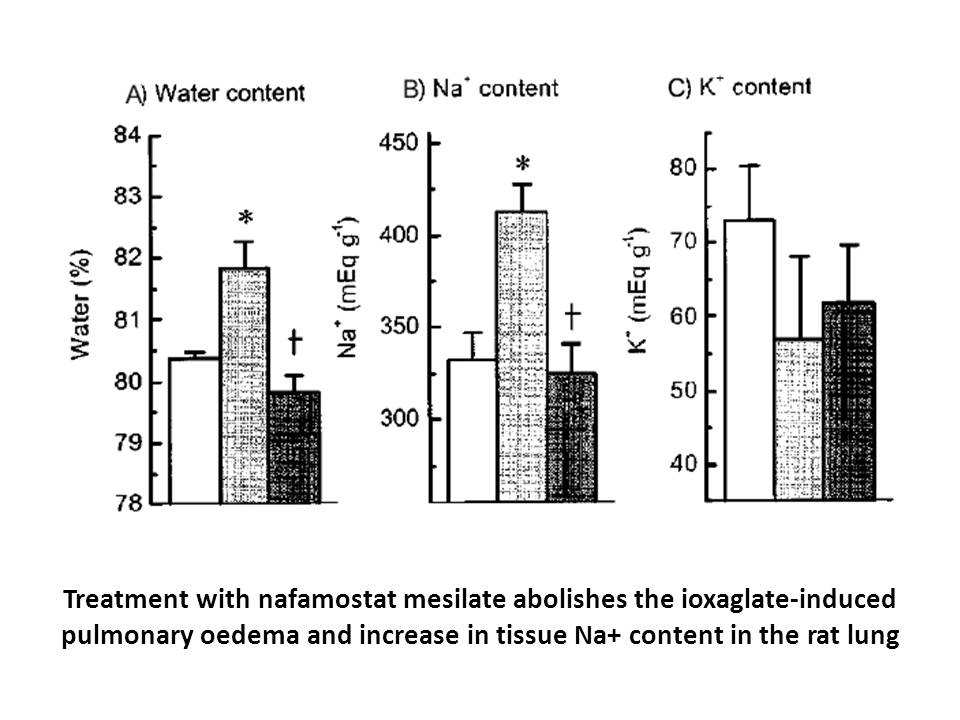
Consistent with the observation that mutations in the redox-partner binding site of P450c17 that reverse charge from basic to acidic (R347H, R358Q) cause 17,20-lyase deficiency (Geller et al, 1997, Geller et al, 1999), at least one POR mutation that changes a residue in the FMN domain from neutral t
Small kinase inhibitors have been developed to
2024-06-21
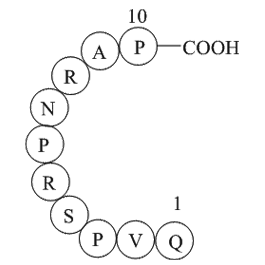
Small kinase inhibitors have been developed to block AXL by interacting with the kinase cytoplasmic ATP binding site. Up to date, no AXL selective kinase inhibitors are marketed. As depicted in , some marketed kinase inhibitors such as Bosutinib and Cabozantinib or kinase inhibitors in clinical pha
LPA binds to six specific cell
2024-06-21

LPA binds to six specific cell surface GPCR receptors. The receptors LPA1 (lysophosphatidic receptor 1, formerly, Edg2), LPA2 (Edg4) and LPA3 (Edg7) belong to the endothelial differentiation gene family (EDG) and share sequence homology (50–60% amino blt2 sale homology) An et al., 1997, An et al.,
ion channels br Innate immune mechanisms that confront viral
2024-06-21
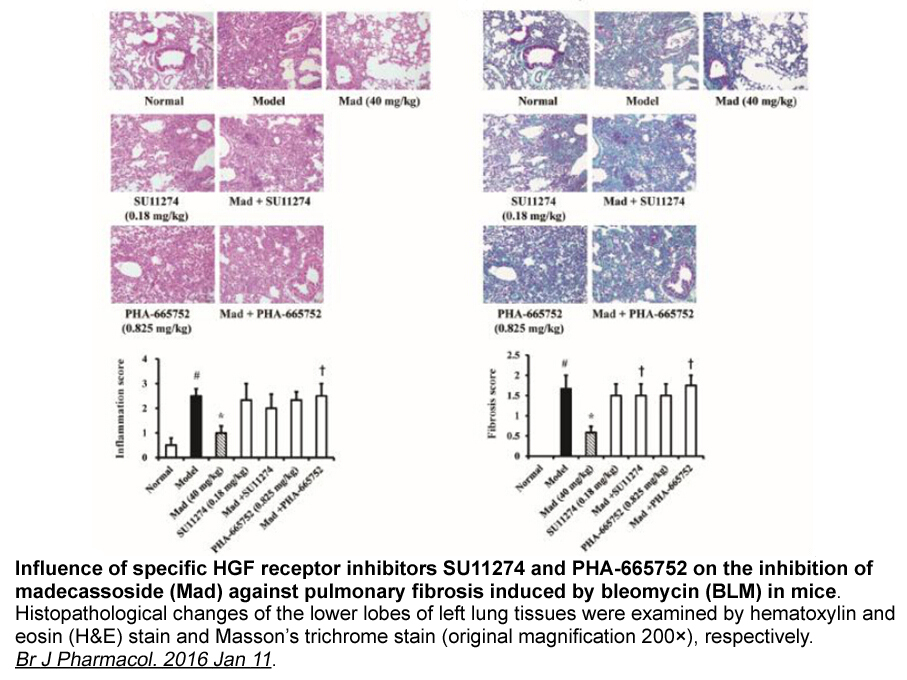
Innate immune mechanisms that confront viral infection Autophagy induction by virus sensing Antiviral xenophagy and virophagy The presence of viral particles within autophagosomal structures has been visualized in only rare instances. This is the case for HSV-1 when it is devoided of ICP34.
In our previous report we
2024-06-21
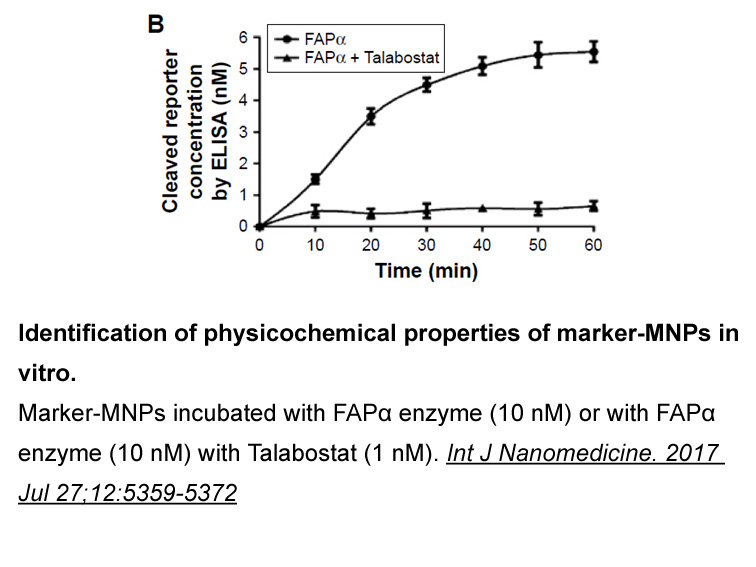
In our previous report, we synthesized derivatives with some straight chain residues on the 2-position of the 3-cyanopyridine ring of compound 1. In this time we tried to introduce aromatic ring on the chain of the 2-position. Namely, we replaced the hydroxyl-alkylamino group in the position 2 of t
Production of reactive oxygen species ROS during RSV infecti
2024-06-21
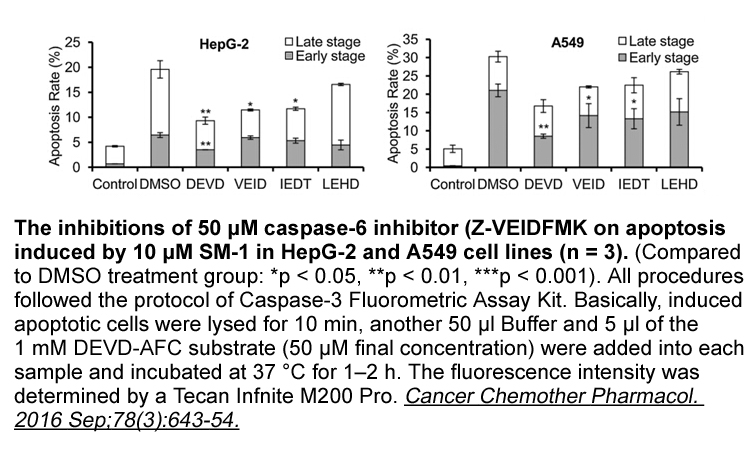
Production of reactive oxygen species (ROS) during RSV infection is one the important ways that neutrophils can injure the lungs [2], [24], [25]. Lipoxygenases are considered as an important source of producing ROS inside the Gallein synthesis [26]. Several studies have indicated that the 12/15-LOX
The mitogen activated protein kinase MAPK plays an
2024-06-21
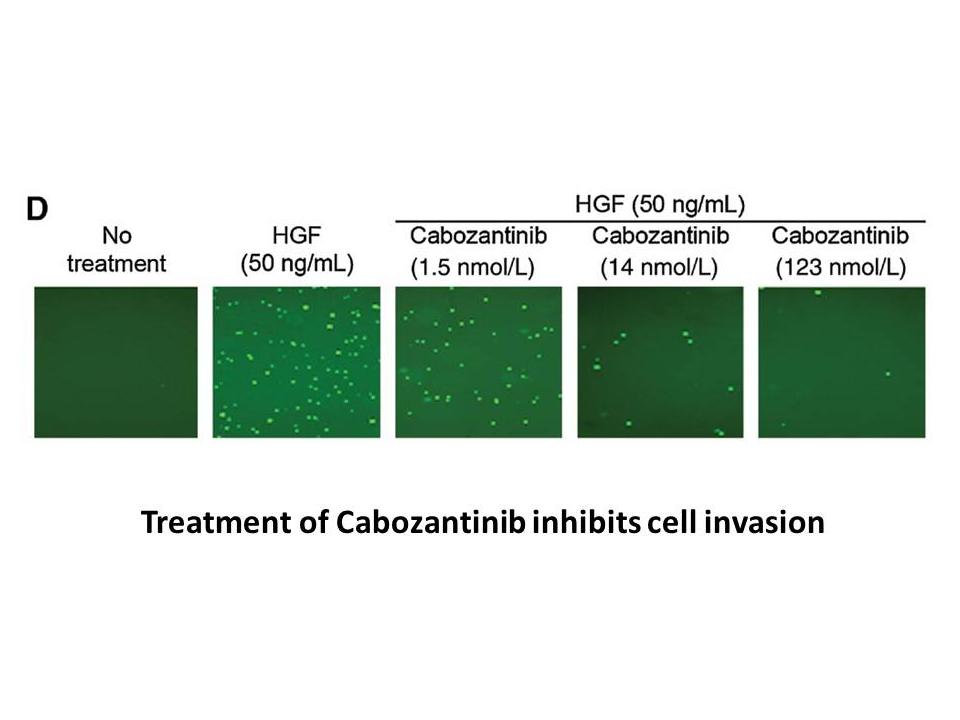
The mitogen-activated protein kinase (MAPK) plays an important role in a variety of cell processes by controlling transcriptional or translational regulation [14]. There are three major MAPK family members that have been well characterized: extracellular signal-regulated kinase (ERK), c-Jun N-termin
Since obesity appears to impact leptin
2024-06-21
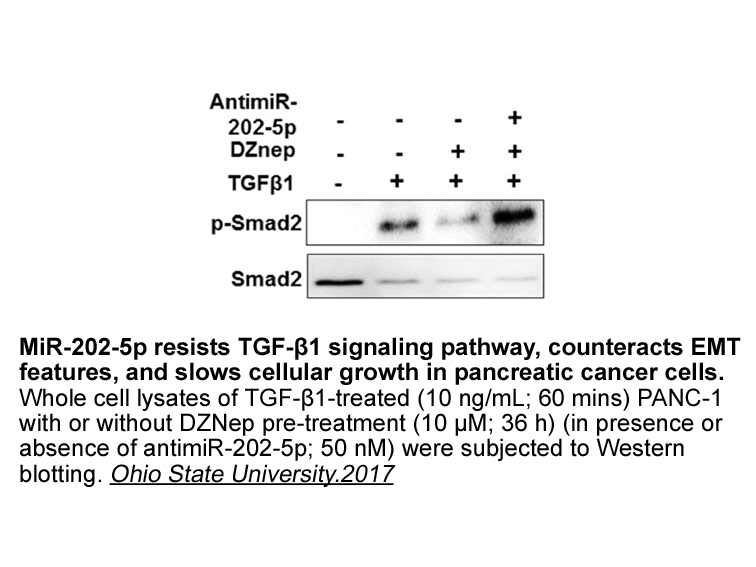
Since obesity appears to impact leptin and adiponectin levels in opposite manners, several studies have suggested that the serum adiponectin/leptin ratio may be a key parameter in indicating the relative risk of postmenopausal breast cancer (Ollberding et al, 2013, Cleary et al, 2009). Therapeutic s
The primary structure of the A peptide
2024-06-21

The primary structure of the Aβ peptide can be divided into four regions based on hydrophobicity. The N-terminal residues 1–16 comprise the first hydrophilic region, which also contains the metal binding site. More specifically, side chain carboxylate of D1 and the side chain nitrogens of H6, H13 an
Synaptic scaling up is induced
2024-06-20
Synaptic scaling up is induced within primary visual SCF, murine recombinant protein receptor (V1) by brief sensory deprivation (Desai et al., 2002; Lambo and Turrigiano, 2013). Several studies have examined the transcriptional changes within extracts of V1 following visual deprivation protocols (L
Arecaidine but-2-ynyl ester tosylate Our results lead to the
2024-06-20
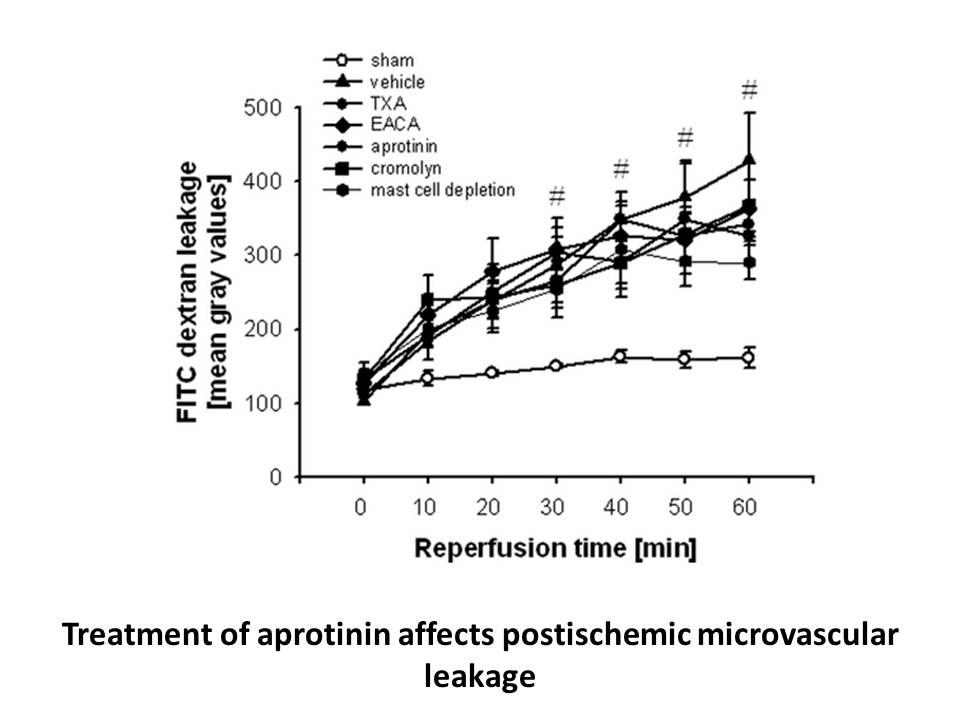
Our results lead to the discovery and characterization of VvAAT2, a gene potentially involved in acetate accumulation in grape berries discovered through amino-acid feeding experiments. Incubation with exogenous amino acids has also been a key in the discovery of new genes affecting fruit aromas [1
br Funding This work was supported by Arena Pharmaceuticals
2024-06-20
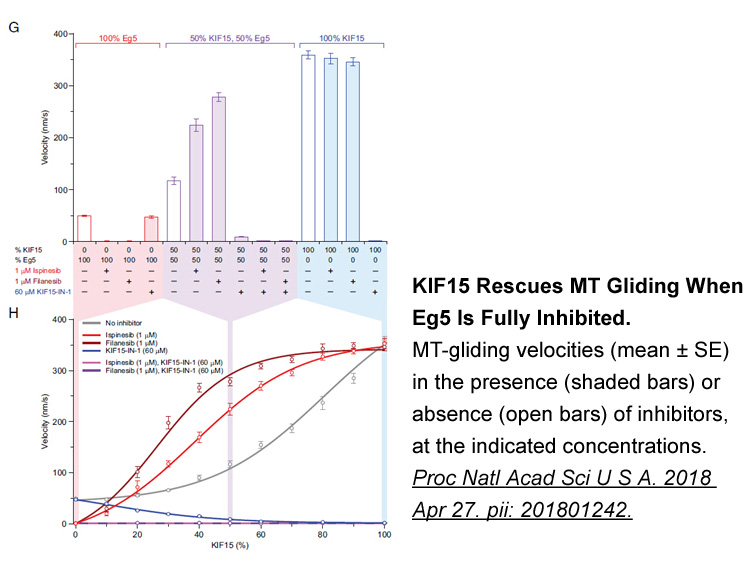
Funding This work was supported by Arena Pharmaceuticals, Inc, San Diego, CA, USA. Introduction 5-hydroxytryptamine 1B (5-HT1B) receptors are widely distributed in the central nervous system (CNS); they have various modulatory functions in drug reinforcement, appetitive behaviors, stress, moo
A selected set of these new derivatives was then
2024-06-20
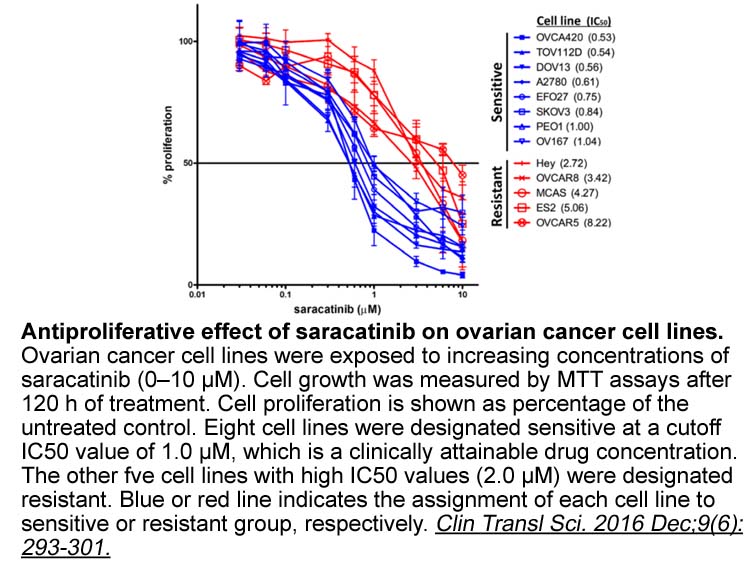
A selected set of these new derivatives was then used for functional assays at the human A1AR showing, as expected, an antagonist profile with IC50 values at nanomolar level. The same molecules showed also to be efficacious as nanomolar antagonists in a functional assay aimed at analyzing their abil
8501 records 165/567 page Previous Next First page 上5页 161162163164165 下5页 Last page